CTEM Software Solutions: Choosing the Right Approach for Your Business

When it comes to securing your business, finding solutions that support your Continuous Threat Exposure Management (CTEM) CTEM strategy you’ll conclude that many are not built the same. The right one, or ones, depend on your company’s priority of capabilities for your CTEM strategy as well as your unique risk profile that considers your organizational size, industry, and risk tolerance.

Aside from the various domains of focus – asset discovery, validation, workflows – some tools excel in automation; others focus on compliance, while only a few aim for a combination of the many. Remember, choosing wisely can determine whether your defenses stay proactive or leave dangerous gaps.

In this guide, we’ll guide you through how to evaluate solutions that best enable your CTEM strategy and select the one that truly fits your business needs.

Let’s get into it.

Key Criteria for Selecting a CTEM Software Platform

59% of organizations reported being hit by ransomware in the past year, according to Sophos’ State of Ransomware 2024 report.

percentage of organizations hit by ransomware

This alarming number underscores the importance of carefully evaluating CTEM platforms for businesses, as Gartner predicted that organizaton’s that enable a CTEM strategy will be “3x less likely to suffer from cyber incidents” such as ransomware.

Below are the key factors to consider before committing to a CTEM software platform.

1. AI and Automated Workflows for Exposure Mitigation

AI-powered, and automation accelerates threat response. The outcome is quickly analyzing the combination of threats and vulnerabilities, their likelihood of exploitability with your organizational impact (e.g. cyber risk) against your IT and cloud assest inventory and prioritizing and resolving vulnerabilities more efficiently than manual methods.

According to IBM, organizations that utilize AI and automation save $2.2 million and cuts down cyber incident detection time, demonstrating that automation enhances defenses and frees teams to focus on critical tasks.

2. End-to-End Asset Visibility Across Your Landscape

One of the pillars of the CTEM strategy is knowing your assets.

So, a robust software platform that can help enable your CTEM program will provide comprehensive and continuous discovery and visibility across cloud, on-premises, and hybrid environments. Real-time asset mapping eliminates blind spots, identifies exposure points and enhances compliance. This empowers businesses to assess risk accurately and make proactive, informed security decisions.

3. Seamless Compatibility with Current Systems; Opportunity for Tool Consolidation

The very nature of a threat exposure management strategy requires the integration of various security and compliance data sets.

CTEM solutions should integrate seamlessly with tools like ASM/VM, GRC, XDR, SIEM and SOAR, minimizing workflow disruptions. Compatibility speeds adoption, extends existing investments, and reduces costs. You will find that CTEM software platforms will either integrate everything, acting as an orchestration and analytic layer, or provide many capabilities natively and only require the integration of additional security tool datasets. This can present some cost savings opportunities by consolidating from various point solutions to the native platform capabilities.

Instead of adding silos, it streamlines security processes, strengthening defenses without forcing complete system overhauls.

4. Ongoing, Risk-Aligned Vulnerability Ranking

Not all risks are equal. CTEM software platforms should prioritize vulnerabilities based on severity, business impact, and exploitability. Inherent in that statement is that the software platforms will offer a way to help your organization define the criticality of assets. The outcome of risk-based prioritization prevents wasted effort, ensuring teams address the most dangerous threats first. Aligning vulnerability management with risk boosts efficiency and overall security.

How To Choose the Best CTEM Solution

Selecting the right CTEM solution is crucial because it directly impacts an organization’s ability to identify, prioritize, and effectively mitigate cyber risks.

Here are some steps to help you select the best CTEM solution for your business:

1. Define Organizational Needs Clearly

Start by identifying your critical assets, vulnerabilities, and risk tolerance. Are you protecting sensitive customer data or intellectual property?

Then define what tools you have that already provide any of the components prescribed for integration and automation – ASM/VM, XDR, GRC, SIEM, SOAR, PTaaS, cyber threat intelligence and workflow solution.

Defining needs upfront and identifying the gaps ensures your CTEM investment is targeted and impactful, preventing wasted resources on one-size-fits-all solutions that don’t fit your business goals.

2. Pinpoint Essential Capabilities

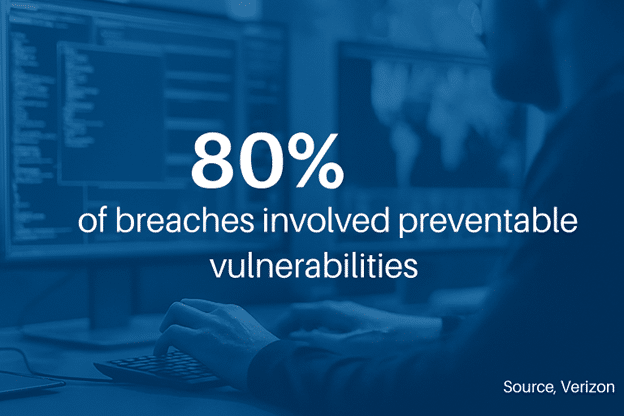
A strong CTEM platform should prioritize exposures, not just detect them. It was noticed in the 2025 Verizon Data Breach Investiations Report (DBIR) that over 80% of breaches involved preventable vulnerabilities.

Solutions that rank risks by severity and exploitability help teams focus on critical issues first, strengthening defenses efficiently.

3. Assess Automation and AI-Driven Response

Automation and AI accelerate detection and response, alleviating manual strain. IBM’s Cost of a Data Breach Report 2025 found AI-driven organizations cut breach lifecycles by 108 days on average. Faster remediation lowers costs, limits damage, and ensures teams address threats effectively.

4. Ensure Alignment with Security Stack

A CTEM solution should enhance existing security findings and make the findings more actionable from tools, such as ASM/VM, GRC, XDR, SIEM and SOAR, rather than creating silos. Seamless integration reduces disruption, speeds adoption, and maximizes current investments.

The proper alignment ensures workflows remain smooth, allowing teams to improve defenses without the complexity of completely overhauling systems.

5. Review Compliance and Regulatory Fit

CTEM will align with industry regulations such as HIPAA, NIS 2, or PCI DSS. Choosing a compliance-ready platform streamlines audits, reduces administrative burdens, and strengthens overall governance.

Beyond avoiding penalties, a CTEM strategy will bring your organization into alignment for continuous monitoring as many of the regulations drive you towards and it builds customer trust by demonstrating your organization takes security and regulatory responsibilities seriously.

Top-Rated CTEM Solutions

With Gartner predicting that most organizations will adopt CTEM by 2026, exploring the top-rated solutions below is crucial to understanding which platforms can best enhance your security posture.

1. FortifyData

Homepage Fortify Data

FortifyData is a Cyber GRC platform with the capabilities that support a CTEM strategy. Continuous asset discovery, vulnerability and threat exposure identification, threat monitoring, risk-based prioritization, remediation validation and power workflows will automate and power your CTEM strategy to manage threat exposure across assets, networks, and third parties.

Features

  • Attack Surface Management & Internal Assessments: It conducts continuous external and internal assessments, and cloud attack surface assessments to identify and mitigate exposures that can lead to breach and attack paths that can victimize your organization.
  • Risk-Based Vulnerability Prioritization: This approach prioritizes vulnerabilities based on business context, threat intelligence, and exploitability, thereby focusing remediation efforts. FortifyData ingests multiple cyber threat intelligence feeds where you benefit from that enrichment against your asset inventory resulting in a dynamic and automated remediation prioritization.
  • Third-Party Risk & Security Ratings: Vendors can be thought of as a peripheral risk, often times managed by procurement with some programs informing security as part of the process. Vendor attack surface is your attack surface in many instances. This vector should also be monitorined and considered in your cyber risk profile for prioritization. FortifyData monitors vendor extneral attack surface exposure and produces security rating scores for both internal and external stakeholders.
  • Workflow for Mobilization: FortifyData’s platform for CTEM can be set to notify the relevant stakeholders when threat exposures or vulnerabilities are identified, asset footprint changes, remediation validations are confirmed or remain. The mobilization of your team based on automated findings is what moves the needle on reducing your overall threat exposure profile.

2. Cymulate

Cymulate is an exposure management and validation platform that continuously tests defenses and ranks real exploit risks.

Features

  • Continuous Threat Validation: It executes automated offensive tests (breach & attack simulation) across the whole kill chain to validate whether vulnerabilities are truly exploitable.
  • Exposure Prioritization with Context: It correlates discovery data with threat intelligence, compensating security controls, and business impact, to deliver prioritized remediation guidance.

Feedback

User feedback identified that:

  • The platform is intuitive and user friendly
  • Lack of granular reporting and customization for CISOs
  • Slow speed to run assessments
  • Leading to a false sense of security

Read more user reviews.

3. Nagomi Security

Nagomi Security

Nagomi Security transforms CTEM from visibility into action by unifying exposures, controls, and remediation workflows in one platform.

Features

  • Exposure + Control Context: It correlates exposures (vulnerabilities, misconfigurations, coverage gaps) with control data and threat intelligence to highlight what matters.
  • Built-In Remediation Workflows: It not only surfaces exposures but also provides guided remediation, progress tracking, and execution of fixes to close the exposure loop.

4. BreachLock

BreachLock “consolidates and analyzes data from multiple threat exposure management tools from PTaaS, ASM, continuous pentesting, and red teaming to leverage a centralized, adaptive, and actionable approach to threat exposure.”

Features

  • Automated and Manual options: Clients can self-serve and schedule automated peneatration tests or leverage Breachlock’s white glove human pentesting team.
  • Scanning and PenTesting: Unifies your attack surface and pentesting information (application, network and web) using a common data model for attack path analysis of threat exposures.

Feedback

User feedback identified that:

  • Limited transparency, Possible pricing complexity, dependency on continuous monitoring.
  • Low value for the cost: “I think it could provide more than what it currently providing for that amount.”
  • “That assets are IP only and not hostname”
  • Slow Support response times: “massive time difference between us and their tech team which led to response times of 24-48 hours, which at times slowed down the entire process.”


Read more user reviews.

5. HivePro

HivePro is another CTEM solution that aligns with the Gartner framework for Continuous Threat Exposure Management. Their platform leverages “exposure assessment and adversarial exposure validation to deliver a unified view of cyber risks and all actionable pathways to resolve them.”

Features

  • Unifies the CTEM lifecycle — HivePro connects asset discovery, threat intelligence, vulnerability prioritization, validation, and remediation into one continuous workflow.
  • Focuses on what matters most — Correlates business context and threat intelligence to prioritize the small percentage of exposures that pose real risk.
  • Accelerates remediation and validation — Automates response workflows and validates fixes through simulated attacks to ensure exposures are actually closed.

Feedback

User feedback identified that:

  • Integrations still require manual work to connect findings in their platform to remediaition processes
  • Very overwhelming and unintuitive data with lack of documentation and training materials
  • Constant retraining needed due to overwhelming data and constant changes to the platform.

Read more user reviews.

Test Your Complete CTEM Solution Now for Free

Are you struggling to identify which software solution can enable your CTEM strategy and will truly protect your business from today’s complex cyber threats?

Definitely FortifyData’s CTEM platform.

Source: FortifyData Continuous Threat Exposure Management Dashboard

It offers a unified cyber risk management platform that continuously monitors exposures and prioritizes vulnerabilities based on business impact. The platform also helps manage third-party risks effectively, making security oversight more reliable.

Book a demo today and see FortifyData in action.

FAQs

Critical capabilities include automated exposure discovery and risk-based vulnerability prioritization. They also cover smooth integration with existing security tools, the ability to scale across hybrid environments, and compliance with regulations like HIPAA or GDPR.

CTEM works by continuously monitoring attack surfaces and validating potential exploits. This allows organizations to move from a reactive defense approach to proactive protection. As a result, they can lower the chances of breaches and strengthen compliance.

Automation accelerates detection, prioritization, and remediation of vulnerabilities, reducing manual effort and response times. This enables security teams to focus on high-impact threats while ensuring consistent, real-time protection across the enterprise.

Click to access the login or register cheese