Choosing the proper attack surface management (ASM) solution comes down to the features it offers. With so many tools on the market, it’s easy to get lost in marketing claims and overlook what actually matters for security.
Also read: Top 11 Attack Surface Management Software Solutions for 2026
To make things easier, let’s discuss the seven must-have features every ASM tool should include.
7 Must-Have Features in the Best Attack Surface Management Tool 2026
Before you go on and make a choice, here are the attack surface management tool features that you must consider:
1. Complete Asset Discovery and Classification
The first thing an ASM tool must do is find every single asset your company has. This means websites, subdomains, cloud apps, servers, employee devices, and even forgotten old systems.
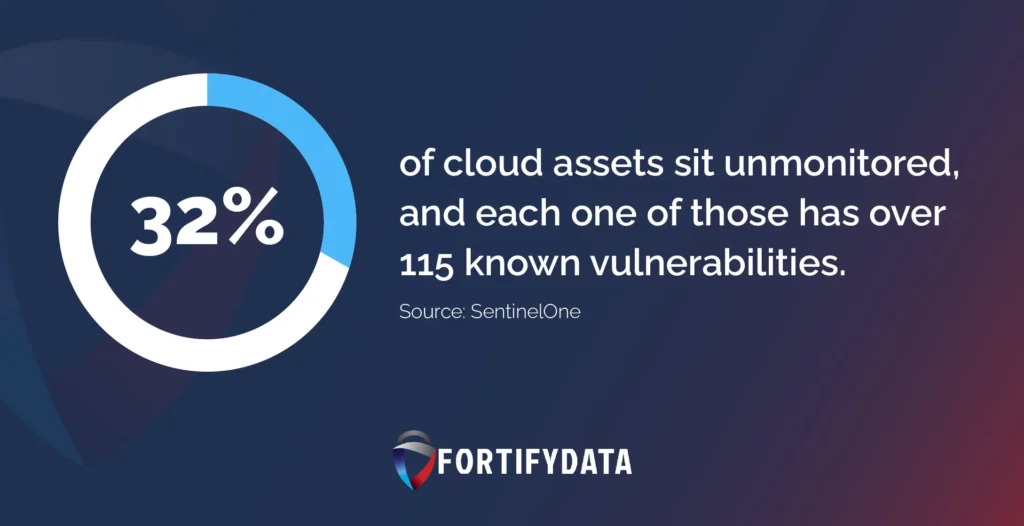
Studies show that 32% of cloud assets sit unmonitored, and each one of those has over 115 known vulnerabilities. This makes it important for tools to be able to detect each one of them for better security.
How FortifyData Can Help
FortifyData automatically discovers and classifies all your public-facing assets. You get a complete and accurate inventory, so nothing important gets missed.
2. Continuous Monitoring and Dynamic Updates
Your attack surface is never the same for long. New devices are added, services are updated, and systems change daily. If you only scan once in a while, you’re leaving gaps. An ASM tool should continuously monitor your assets.
This way, if something new appears or a change happens, you know about it instantly. Quick updates mean you can fix problems before attackers find them. Think of it as having a security camera for your network that never stops running.
How FortifyData Can Help
FortifyData offers continuous discovery and updates, so your asset list is always current and you can react to changes right away.
3. Vulnerability Detection Across All Assets
Finding assets is only step one. The real danger lies in the weaknesses those assets may have. A good ASM tool scans every part of them, ports, services, and software versions, to find security flaws.
This could be outdated software, an open port, or a misconfiguration that allows attackers in. It should also check for hidden risks in shadow IT, which are the systems set up without approval. Vulnerability management helps you detect the vulnerabilities properly, so you’re not just seeing half the picture.
How FortifyData Can Help
FortifyData scans every discovered asset for vulnerabilities and flags the ones that pose the highest risk, helping you focus where it matters most.
4. Integrated Threat Intelligence for Risk Prioritization
Not every weakness is equally dangerous. Some vulnerabilities are being actively attacked right now, while others are rarely targeted. An ASM tool should connect to live threat intelligence feeds.
These tell you which threats are trending in your industry and which vulnerabilities hackers are going after. This means you can focus your energy on the most urgent risks instead of wasting time fixing low-priority ones.
How FortifyData Can Help
FortifyData integrates hourly threat intelligence updates to show which vulnerabilities are under active attack in your industry.
5. Internal and External Attack Surface Coverage
Many tools only look at what’s visible on the internet. That’s important, but it’s not the whole story. Internal systems, such as employee laptops, servers, or internal apps, can be just as risky if they get infected or misconfigured.
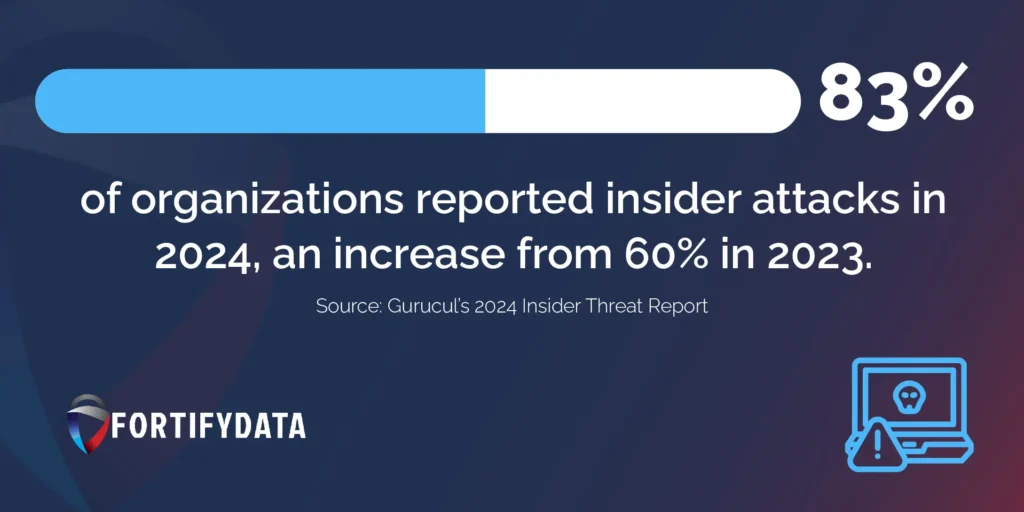
In fact, in 2024, 83% of organizations reported insider attacks. Many of them were from internal mistakes.
A complete ASM solution needs to cover both inside and outside your network. This way, you see every possible entry point an attacker might use. If you only check one side, the other stays exposed.
How FortifyData Can Help
FortifyData scans both internal and external assets, giving you complete coverage against potential entry points.
6. Risk Scoring and Actionable Remediation Guidance
When you have hundreds of vulnerabilities, knowing where to start can be overwhelming. That’s why your ASM tool should score each risk.
The score tells you how severe it is, how likely it is to be exploited, and what impact it could have. Then it should give you simple, clear steps to fix the issue. This turns a long list of problems into a clear plan of action.
How FortifyData Can Help
FortifyData gives each finding a clear risk score and step-by-step guidance, so you fix the most dangerous problems first.
7. Support for Shadow IT, Third-Party and Fourth-Party Risk Management

Shadow IT happens when employees use devices, apps, or services without telling IT. These are easy to overlook but can be risky if not secured.
In fact, nearly half of all cyberattacks are now linked to Shadow IT, with average breach costs topping $4.2 million.
The same goes for your third-party vendors. If they have weak security, attackers can use them to get into your systems. An ASM tool should be able to detect these hidden risks and check the security of your partners.
How FortifyData Can Help
FortifyData detects shadow IT and monitors third-party risks, so you’re aware of and can better protect your organization from risks outside your direct control, in your supplier ecosystem.
Protect Your Entire Attack Surface with FortifyData
The right features will help you spot risks early, focus on the most urgent threats, and keep your defenses one step ahead of attackers. When comparing tools, look for all the features mentioned above. Missing even one of these could leave dangerous gaps.
And FortifyData brings all these features together in one powerful ASM solution, as identified in Top 11 Attack Surface Management Software Solutions for 2026. It gives you full visibility, smart prioritization, and continuous protection so that you can manage your attack surface with confidence.
How FortifyData Does This:
-
- Builds a full inventory of domains, IPs, cloud instances, APIs, and applications tied to your organization without manual input, including Subsidiary and Department organization.
-
- Automatically discovers and monitors all internet-facing assets—including known, unknown, and shadow IT—on an ongoing basis.
-
- Performs asset discovery without deploying agents, scaling easily across cloud, hybrid, and global infrastructures.
-
- Identifies when new assets appear, configurations change, or systems go offline—alerting security teams.
Request a demo of FortifyData’s Attack Surface Management solution.